A schedule is a network of activities with durations and logic, not a list of dates. This playbook builds it so the critical path is real.
What you get
- Four schedule types – A master schedule from award to handover, contract milestones, procurement for long-lead packages, or a three-week lookahead with a constraints list.
- Phases, packages, activities – Three levels, with verb-plus-object activity names like “Pour footings – Block A”.
- Tied-in logic – Every activity has a predecessor and a successor, milestones sit at phase ends and contract dates, and only contract dates are constrained.
- Honest durations – Built from quantities and crew productivity where known; typical durations are flagged as assumed, and contingency is never hidden in them.
- Summary – Start, finish, total duration, the critical path, key milestones, assumptions and risks like long-lead items with no procurement plan.
How it works
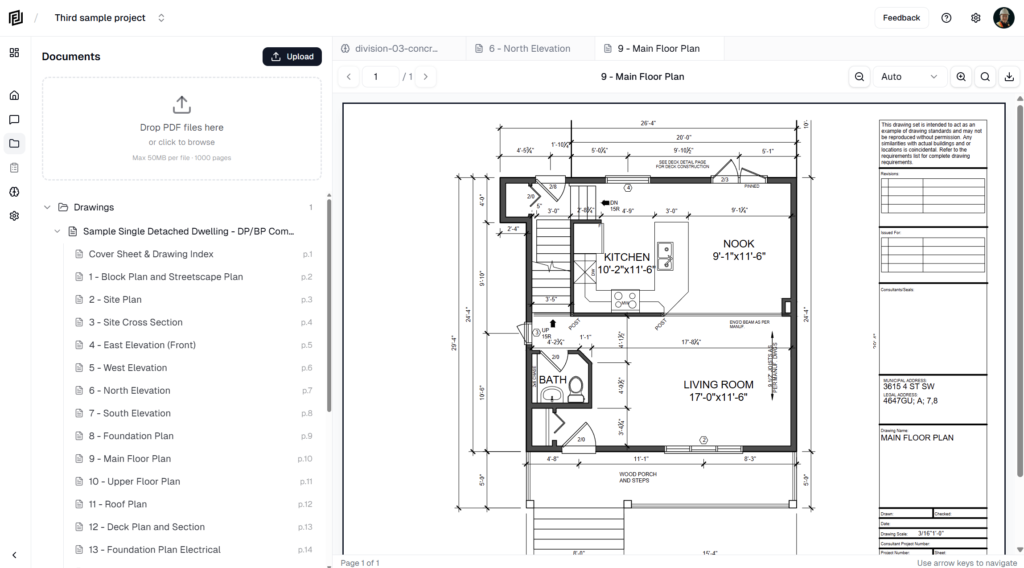
- The agent reviews the project, its documents and any existing schedule, then agrees the scope and schedule type with you.
- It confirms the start date, working days and hours, fixed dates and known long-lead items, and presents a plan for your approval.
- It builds in chunks – below grade first, for example – and waits for your go-ahead before the next.
- It seeds the activities, adds the relationships and runs CPM once at the end.
- It checks the critical path runs start to finish with no open ends, then reports the dates, milestones and risks.
Try asking
- Build a master schedule for the mid-rise, NTP is March 2. Start with below grade.
- Put together a procurement schedule for the long-lead mechanical and electrical equipment.
- Give me a three-week lookahead off the master schedule for the framing crews.